How to Find Local Groups and Communities That Match Your Interests
How to find local groups and communities in Delhi that match your interests, judge whether a group is right for you, and join safely and confidently.
 Team Nerecircle 18 October 2026 7 min read
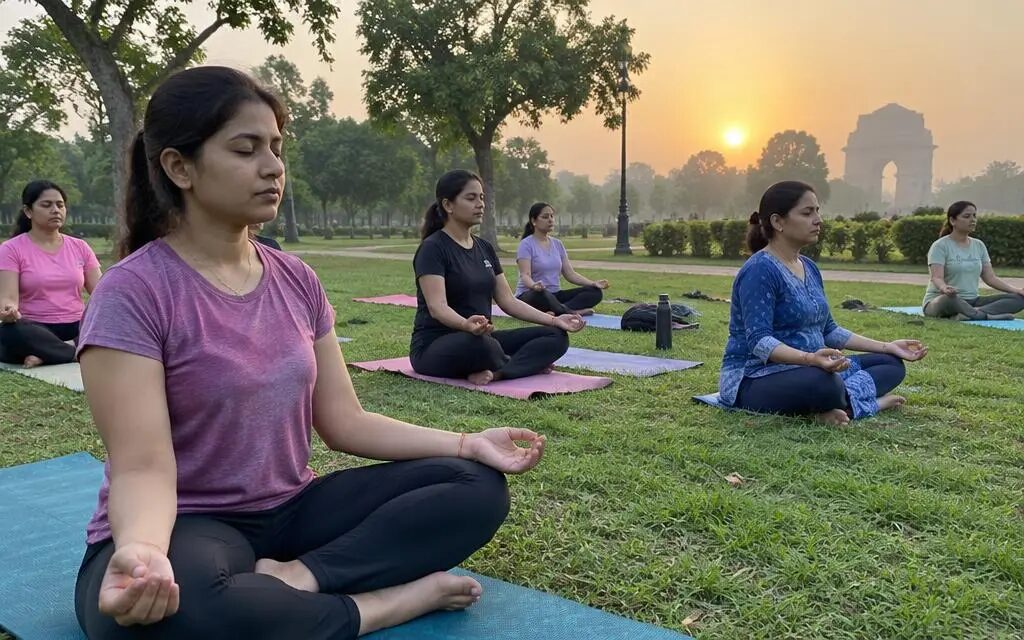
To find a local group that suits you, first be clear about what you want from it, then search in a few reliable places: your neighbourhood networks, local platforms that organise groups by area, venues connected to your interest, and people already doing it. Before joining, check three signals: the group is active, it welcomes newcomers, and it's run in a clear and open way. Then go to a first meeting in a public place with modest expectations, and give it a few sessions before you decide.
Finding groups is rarely the hard part. Delhi has groups for almost everything: cricket, chess, birdwatching, book reading, coding, photography, competitive exam preparation and many more. The harder part is telling which ones are active, friendly and safe, and feeling comfortable walking into a circle where everyone already knows each other. That's what this guide is for.
Start by naming what you actually want
The same interest can lead to very different groups. A "running group" might mean a competitive team training for a half-marathon or a few neighbours jogging slowly before work. Both are good. Only one is right for you.
Before you search, answer a few questions:
A clear answer makes your search shorter and your first impressions more accurate.
Where to search for local groups
Work outward from what's closest:
In student areas such as Laxmi Nagar or around North Campus, study groups for competitive exams are especially common. Ask at libraries and coaching centres, or search by your area on local platforms.
The three signals of a good group
Once you've found a few options, these signals help you choose:
1. It's active. Look for recent messages or posts, a regular schedule and evidence that meetings actually happen. A group whose last update was months ago may have quietly stopped.
2. It welcomes newcomers. Notice how members respond when someone new asks a question. Is there a named organiser you can contact? Do newcomers seem to stay? Friendly, prompt replies are a good sign.
3. It's run clearly and openly. Good groups have simple, visible rules, meet in public or appropriate venues, and are transparent about any costs, such as a shared turf booking or materials fee. You should never be unsure who is in charge or where your money is going.
A group that shows all three is worth trying. If one is missing, ask the organiser about it before you go.
Your first meeting, step by step
The first meeting is always the most awkward. A little planning makes it easier:
Afterwards, ask yourself whether you'd look forward to going back, not whether it was perfect. First sessions rarely are.
Red flags worth taking seriously
Most local groups are exactly what they appear to be. A few warning signs, though, deserve attention:
NereCircle's Community Guidelines prohibit sexual content, dating and romantic approaches, harassment, scams and requests for OTPs or banking details, and its Safety Policy lets anyone report a post, profile, group or message for moderators to review. If you lose money to a fraud, call the cybercrime helpline 1930 and report it on the National Cybercrime Reporting Portal.
Trust your instincts. You never owe a group an explanation for leaving if something feels wrong.
Settling in after the first few weeks
Once you've found a group you like, a few habits help you become part of it:
Over time, many people find that one good group leads to others, as members introduce them to friends with related interests.
When a group isn't working
Not every group will suit you, and that's normal. If you've attended a few times and still don't enjoy it, it's fine to step back. A short, polite message to the organiser, such as thanking them and saying it isn't the right fit for you at the moment, keeps things friendly. You may cross paths again in another setting, and leaving well makes that easy.
Then go back to your list and try the next option. Each group you try teaches you more about what you're looking for.
Wrapping up
The right local group is active, welcoming and openly run, meets close enough for you to attend regularly, and matches what you actually want from it. Search close to home first, check the three signals, keep your first meeting public and simple, and give it a few sessions before deciding.
If you're in Delhi, you can join groups and find study partners near you on NereCircle. For ideas on activities that bring people together, see our guide to meeting people in Delhi through local activities.
Frequently asked questions
How do I find a hobby group near me in Delhi? Start with your RWA or society group, local platforms such as NereCircle, and venues related to your hobby, such as studios, libraries or sports complexes. Asking people already doing the activity also works well.
How can I tell if a group is still active? Look for recent posts or messages and a regular meeting schedule. If you're unsure, message the organiser and ask when the next meeting is.
What should I do at my first meeting? Let the organiser know you're coming, meet in a public place, arrive a little early and focus on listening. Keep personal details light until you know people better.
How do I leave a group politely? Send a short message thanking the organiser and saying the group isn't the right fit for you at the moment. There's no need for a long explanation.
What are warning signs of an unsafe group? Unexplained requests for money, OTPs or bank details, pressure to meet privately, unwanted romantic messages and secrecy about who runs the group are all reasons to leave and report it.