How to Meet People in Delhi Through Local Activities and Communities
Cricket, football, walking groups, art classes and more: how to meet people in Delhi through local activities, and how to keep showing up until it sticks.
 Team Nerecircle 14 October 2026 8 min read
The easiest way to meet people in Delhi is to do something you enjoy, close to home, with the same group every week. Delhi's parks, grounds, courts and community spaces host cricket games, football matches, walking groups, art workshops and study circles, most of them full of regulars who were once newcomers too. Pick one that suits your time and your neighbourhood, go a few weeks in a row, and the people will follow.
Below, you'll find the activities that most reliably bring Delhi residents together, how to join a group that already exists, and the practical details people usually worry about but rarely ask.
Why activities beat introductions
Meeting someone over a shared activity removes the hardest part of making friends: deciding what to say. On a cricket field, you talk about the bowling. At a pottery class, you talk about whose bowl collapsed. Conversation has somewhere to start, and it can grow from there.
Activities also bring you back. A one-off networking event introduces you to fifty people you'll never see again. A weekly game introduces you to twelve people you'll see every Sunday. In a city as large as Delhi, that repetition is what turns strangers into neighbours.
Sports that bring Delhi neighbourhoods together
Cricket
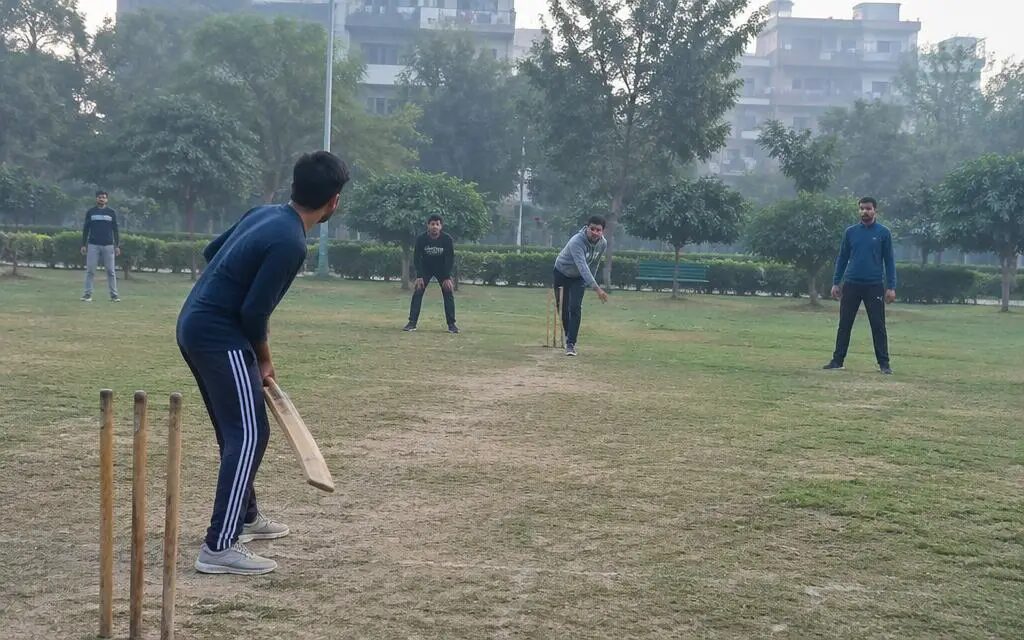
Cricket is the most common shared language in Delhi's parks. On weekend mornings, games start up in colony parks, school grounds and open spaces from Dwarka's sector parks to Rohini, Pitampura and Janakpuri. Many are informal: a group of regulars, a shared kit and a rough rule about who bats first.
To join one, the direct approach usually works. Watch for a while, then ask whoever seems to organise if they need another player. Teams are often short of a fielder or two, and someone willing to field without complaint is rarely turned away. If you want a more organised game, look for corporate or tennis-ball leagues that play on booked grounds.
If you'd rather arrange it in advance, NereCircle lets you look for cricket partners near your area or metro station, which helps when you've just moved and don't know which park has a regular game.
Football and turf games
Football has grown into a big weeknight activity, helped by artificial turfs that can be booked by the hour. Five-a-side and seven-a-side games run late into the evening, which suits people who work during the day.
The usual arrangement is simple. Someone books the turf, a group shares the cost, and players settle up afterwards, often by UPI. If you join regularly, offer to take a turn with the booking. It's the quickest way to move from "new player" to "one of us".
Badminton and other court sports
Badminton is popular for good reason: it's sociable, works in small groups and moves indoors when the weather turns. Community centres and public sports complexes, including those run by the Delhi Development Authority, offer court time and memberships. Check current terms directly with the complex before you go.
Table tennis, basketball and, increasingly, pickleball have their own regular crowds. Smaller sports often have closer-knit groups, because the regulars are glad when anyone new shows interest.
Walking, running and fitness groups
If competitive sport isn't for you, walking is the gentlest way in. Large parks tend to draw early-morning walkers, and over time the same faces become familiar. Many residential colonies have informal walking groups, often started by a few neighbours who wanted company on their rounds.
For something more structured, Delhi Tourism runs health walks and heritage walks, and lists the city's biodiversity parks as places to explore. Guided walks are a good fit if you're new to Delhi, because you learn about the city and meet people in the same morning.
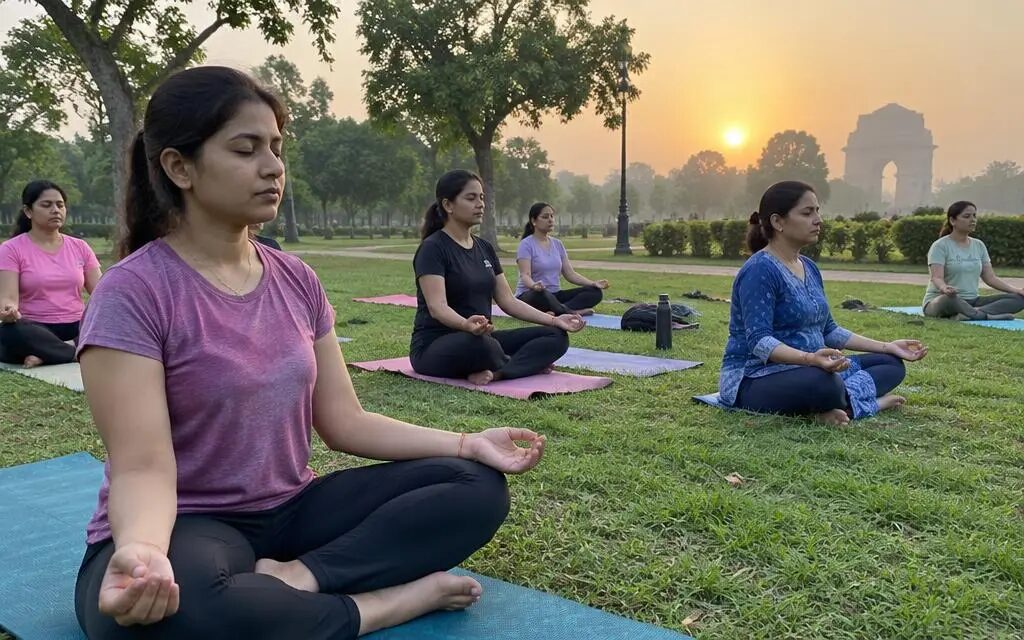
Running groups, yoga sessions in parks and outdoor fitness classes work in a similar way. Their regularity is the point. Turning up at 6:30 every Saturday is how a group of strangers becomes a group of friends.
Creative and learning activities
Not everyone wants to sweat. Creative and learning activities attract people who prefer conversation to competition:
How to join a group that already exists
Walking into an established group is the moment most people dread. A little preparation makes it much easier:
Practical things to sort out early
A few practical questions are worth asking upfront, because unclear expectations cause more friction than anything else:
Keep basic safety in mind, too. Meet in public places, tell someone where you're going, and keep personal details like your exact address to yourself until you know people well. NereCircle's safety policy follows the same approach and never shows a user's exact location.
Making the most of Delhi's seasons
Delhi's weather shapes its social calendar, and planning around it keeps a group going all year:
Groups that adapt to the season, instead of stopping for months, tend to keep their members.
Final thoughts
Meeting people in Delhi doesn't require a big personality or a large network. It requires an activity you enjoy, a group close to home and the patience to turn up several weeks in a row. Start with what you know, be useful, and let familiarity do its work.
If you're not sure where your nearest game or group is, you can find cricket partners, sports groups and study groups near your metro station on NereCircle. For help choosing between groups once you find them, see our guide to finding local groups that match your interests.
Frequently asked questions
How can I find a cricket team to join in Delhi? Visit nearby parks and grounds on a weekend morning and ask the organiser of a regular game if they need players. You can also look for cricket partners near your area on local platforms such as NereCircle, or join a tennis-ball league that plays on booked grounds.
Do I need to be good at a sport to join a local group? No. Many groups are casual and value reliability more than skill. Be honest about your level and choose a group that matches it.
What are good activities for introverts? Small classes, book clubs, sketching groups and walking groups suit people who prefer quieter settings. They give you a shared focus without large crowds.
What is the best time of day for outdoor activities in Delhi? Early mornings are best in summer, and afternoons are pleasant in winter when air quality allows. Check official air-quality readings before strenuous outdoor exercise in the colder months.
How do groups usually share costs? Most groups split turf, court or material costs equally among those who attend, usually settling by UPI after each session. Ask how the group handles it before your first game.